

Eagle Scouts are among the best-prepared young leaders, equipped for success in both college and career. By the time youth earn their Eagle rank at age 18, they have developed exceptional skills in leadership, communication, and responsibility.

Educational Benefits
Higher education rates:
Eagle Scouts graduate at a higher rate than non-Scouts (91% vs. 87%). 1
Scouts are more likely to graduate from college compared to non-Scouts (35% vs. 19%). 1 2
Academic achievement:
Studies show Eagle Scouts perform better academically, with higher average grades and test scores (96% earned A’s and B’s in school). 1
Scholarships:
Many colleges, civic organizations, and even the military offer scholarships specifically for Eagle Scouts. 3 4 5
Career and Financial Benefits
Higher income:
Eagle Scouts, on average, report higher household incomes in adulthood. 6
Leadership skills:
They are more likely to hold leadership positions in their careers. Employers often view Eagle Scout as a strong indicator of perseverance, responsibility, and teamwork. 7
Military advancement:
In the U.S. Armed Forces, an Eagle Scout who enlists can start one or two pay grades higher than peers without the rank. 5
Civic Engagement & Character Development
Community service:
Eagle Scouts are significantly more likely to volunteer, donate to charities, and participate in civic groups throughout their lives. 7 8 9
Voting:
They are more likely to be registered voters and to vote regularly. 7 8
Health and lifestyle:
They report healthier habits, more outdoor activity, and lower rates of risky behavior. 7 8 9
Notable Statistics
Eagle Scouts are 22% more likely than other Scouts to graduate from college. 10
Eagle Scouts are 34% more likely to volunteer regularly in their communities. 11
Eagle Scouts are 58% more likely to have worked to protect the environment. 12
Eagle Scouts are 89% more likely to take part in community activities than non-Scouts. 12
Eagle Scouts earn, on average, 14–18% more in lifetime earnings compared to non-Eagle Scouts. 13
While the Eagle rank is often highlighted for its prestige and long-term advantages, the journey through Scouting, regardless of whether a youth reaches Eagle, provides a wide range of benefits that shape character, friendships, and life skills.

Socialization & Community-Building Skills
Friendship & belonging:
Scouts form lasting friendships through shared experiences, team projects, and adventures. These bonds often extend into adulthood.
Teamwork:
Every patrol and troop activity requires collaboration, whether it’s setting up camp, cooking a meal together, or planning an event.
Conflict resolution:
Scouts learn to navigate disagreements constructively, often in high-pressure settings like camping trips or competitions.
Leadership at all levels:
Even younger or newer Scouts can lead smaller tasks, helping them practice responsibility in age-appropriate ways.
Fun & Adventure
Hands-on learning:
Merit badges and rank requirements give Scouts chances to try everything from archery to robotics, often discovering new hobbies.
Outdoor excitement:
Camping, hiking, canoeing, rock climbing, and backpacking aren’t just skill-building; they’re also fun and memorable adventures.
Unique experiences:
Scouts participate in activities that most youth don’t get elsewhere, like high-adventure treks, jamborees, or service projects.
Creative traditions:
Skits, songs, campfire stories, and troop games create an environment of joy and humor that makes Scouting special.

Outdoor Skills & Appreciation
Survival skills:
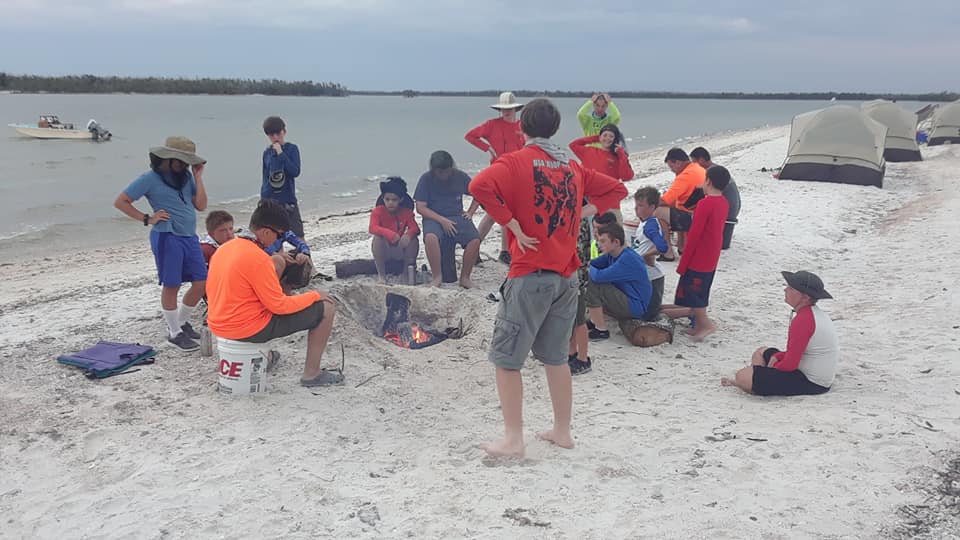
Learning to cook outdoors, use a compass, build shelters, and manage first aid builds confidence and resilience.
Stewardship:
Scouts are taught “Leave No Trace” principles and environmental respect, instilling lifelong habits of conservation.
Resilience:
Dealing with rain-soaked tents, burned meals, or long hikes teaches problem-solving and adaptability.
Community & Service
Service mindset:
Every Scout is expected to serve others, whether it’s through troop-organized service projects or personal good turns.
Civic connection:
Scouts participate in flag ceremonies, parades, and local service events, connecting them to their community’s traditions.
Mentorship:
Older Scouts often mentor younger ones, creating a culture of support and growth.

Personal Growth
Confidence building:
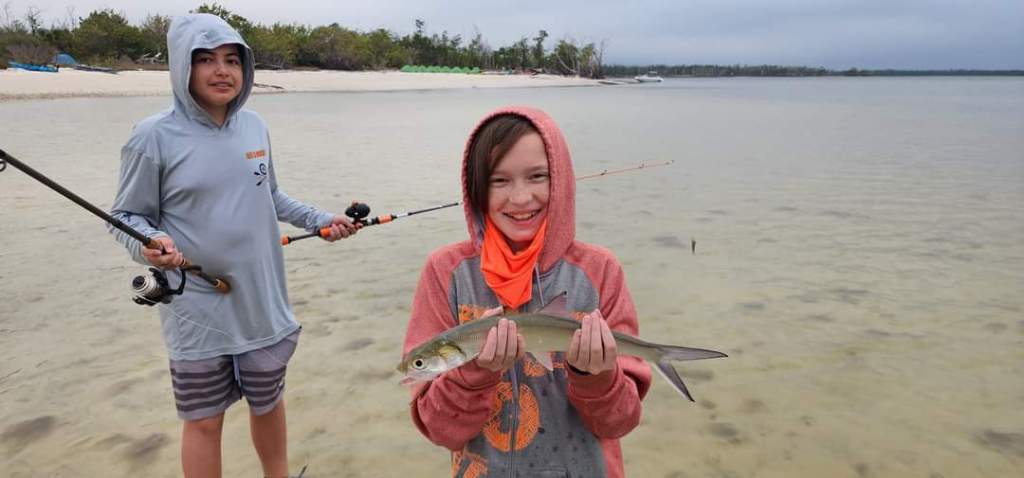
Achievements, no matter how small, reinforce a Scout’s sense of accomplishment.
Responsibility:
Scouts take charge of their own advancement and progress, helping them learn accountability without heavy adult control.
Balanced development:
The program nurtures physical fitness, mental sharpness, and moral character in ways schools and sports alone often can’t.
Join us.
Your adventure starts here.
 Troop 109